


Construction has a system for physical safety – where is the one for how people are doing mentally?
Construction has well-established systems for physical safety – RIDDOR reporting, method statements, risk assessments and toolbox talks, among others.
Every site runs on them and almost everyone on those sites could explain what each one is for. Those systems exist because the industry decided, a long time ago, that keeping people physically safe was too important to leave to chance or goodwill.
Mental health has never been given the same treatment. I have worked in this industry for more than 40 years – and I have seen what happens when it is not.
More support, same silence
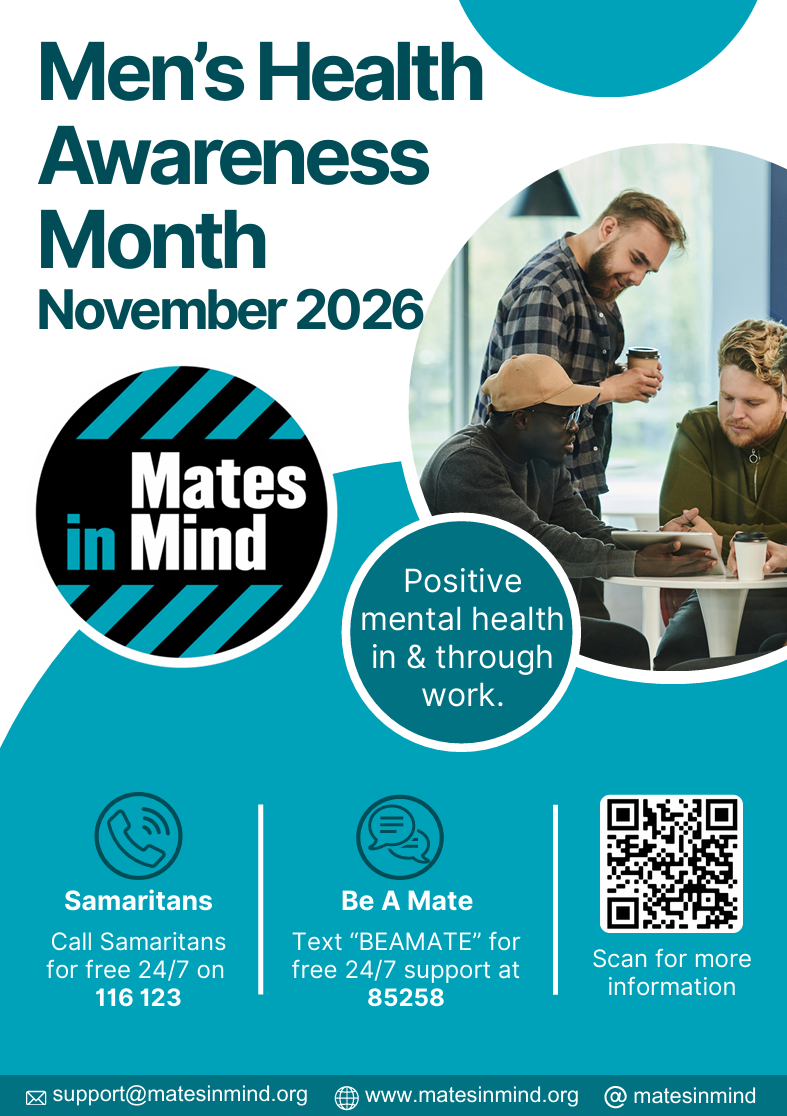
There is more help available than there used to be. Charities, helplines, training courses and awareness days have all grown – and that progress is real. November, for example, has been known for 22 years as Men’s Health Awareness Month (or Movember), with the aim to “get a few mates to grow moustaches and start a serious conversation about men’s health”.
But support on its own is not enough. Last year, a Chartered Institute of Building (CIOB) report found that 80% of construction workers had felt stressed over the past 12 months – while 68% had felt anxiety and 38% had experienced depression daily, weekly or monthly over the same period.
And, in 2023, Mates in Mind – a charity aiming to raise awareness of mental ill-health, including in the construction industry – estimated a third of construction workers live and work with severe levels of anxiety.
What most sites lack is a culture where people use it – or where anyone notices they need it. That culture should not just be a legal minimum or an awareness poster in the welfare cabin. It involves actually asking someone how is genuinely doing – and making sure that question is properly answered.
For a long time, the culture on construction sites did not make room for anyone to say they were struggling. People were left to get on with it.
That silence has not gone away. It is still there on a lot of sites – and it is doing real harm to people who work in this trade.
The people working on construction sites carry things onto site with them and they carry things home. If nobody asks them how they are doing, nobody knows what they are going through.
When a company builds it deliberately
Physical safety improved when the industry started treating it as a culture rather than a set of documents. The same lessons apply here.
The question becomes ordinary. A toolbox talk works because it is routine, not because it is dramatic. Asking someone how they are – and meaning it – works the same way. When it is part of the normal rhythm of a site, nobody has to feel singled out to be asked, or to answer.
Someone notices – and this depends on knowing people. It is far easier to spot that someone who is usually talkative has gone quiet when colleagues have worked alongside each other for years, not weeks.
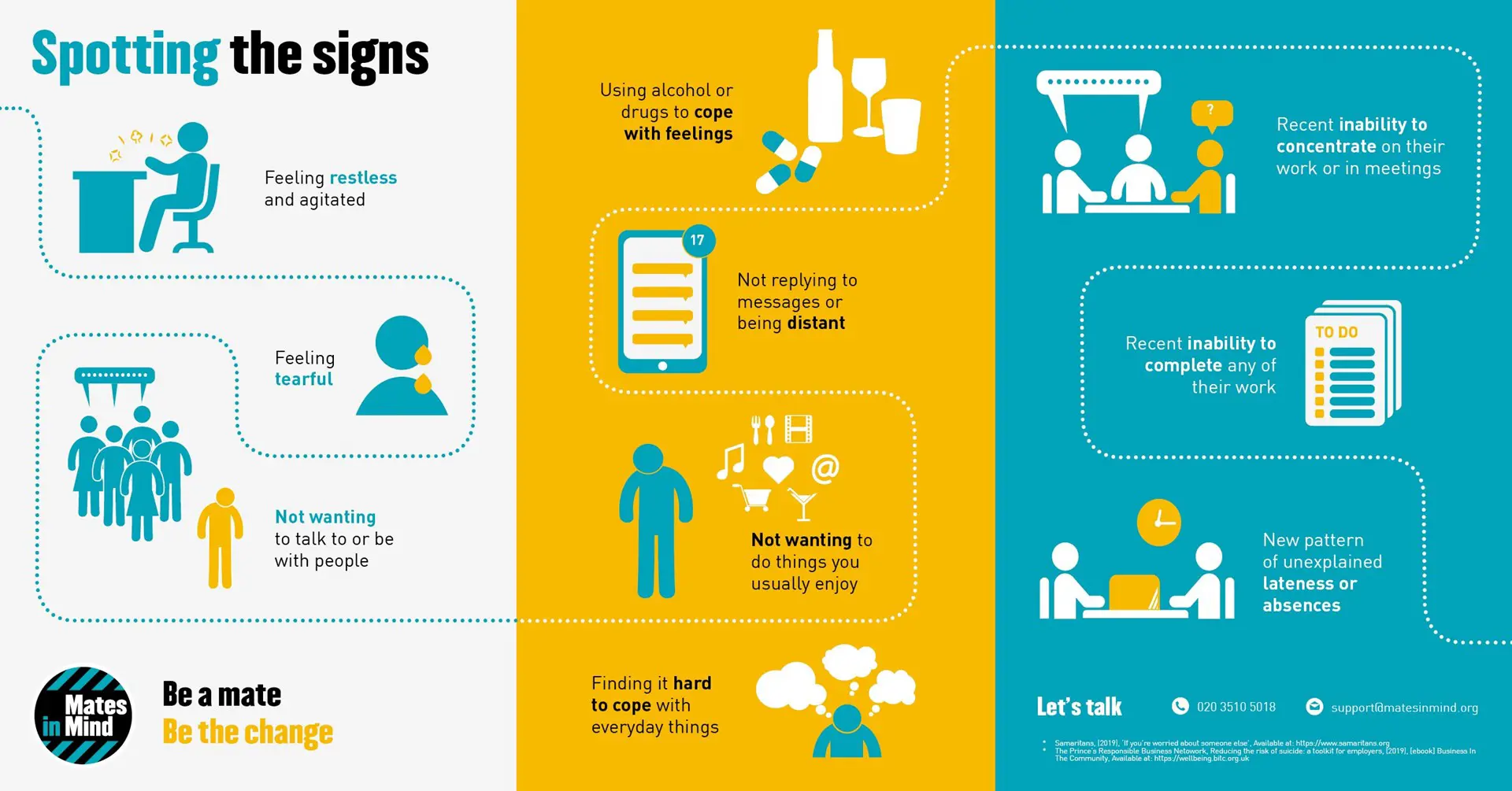
We have site teams and fabricators who have been with us for years – some for decades – and that continuity gives people a far better chance of seeing when something has changed.
An honest answer is safe to give. People only tell the truth about how they are doing if they believe nothing bad will happen when they do. That belief is built slowly, by how a business responds the first few times someone speaks up.
It holds under pressure. Safety culture is tested when the programme is behind and a short-cut is available. This is no different; the weeks when a job is under the most pressure are the weeks when the question is most likely to be dropped – and the weeks when it matters most.
It starts at the top. If the people running a business treat the question as a box to tick, everyone else will too. If they ask it properly and answer it honestly themselves, it gives everyone else permission to do the same.
That is something I have tried to do at HKL. It is not always comfortable – but it sets a tone.
What does not change without it
Without that culture, the policy can exist, the helpline number can be on the noticeboard and the training can be booked – and very little shifts.
Problems still surface late – after someone has been off for weeks, or has left the industry altogether, or worse. The people around them often say the same thing afterwards: they had no idea.
That is not a failure of individuals. It is what happens when a site has no habit of asking.
Not expertise – habit
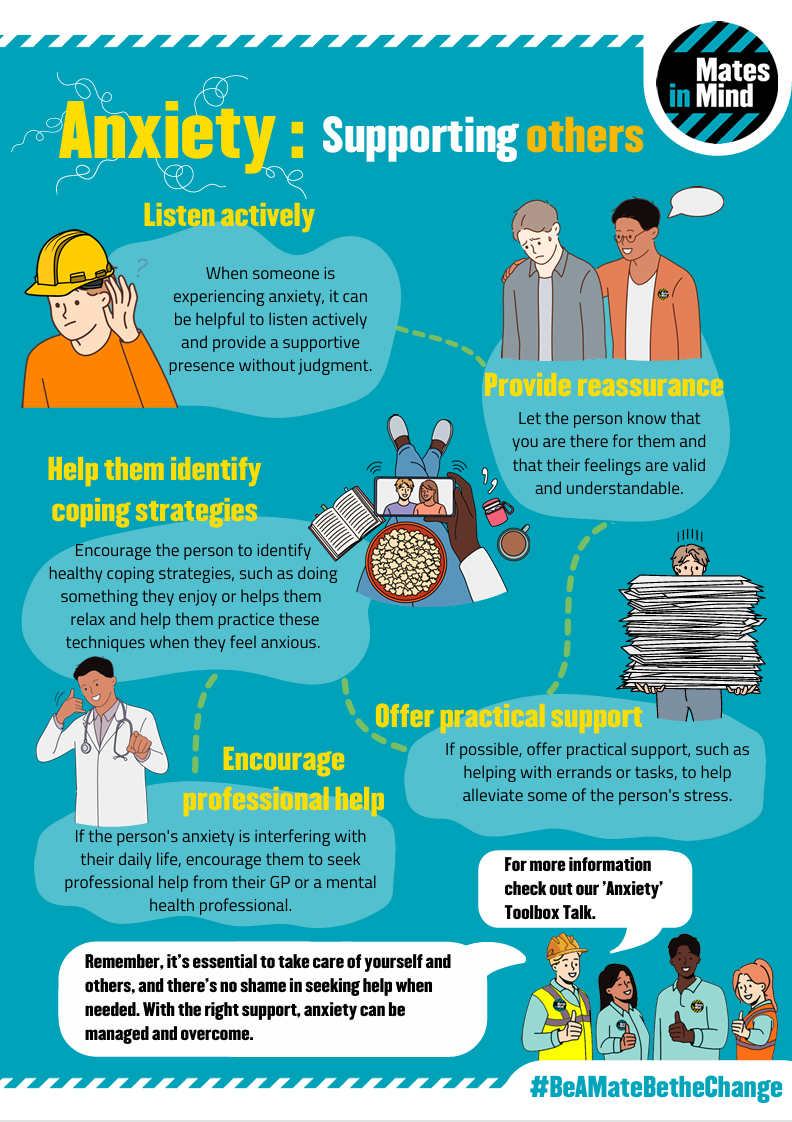
None of this requires a contractor to become an expert in mental health, and no contractor should pretend to be one. What it does require is making it ordinary to ask someone how they are and mean it – and to notice when someone who is usually talkative has gone quiet.
The construction industry learned to treat physical safety as everyone’s job. How people are doing deserves exactly the same.
If you are struggling, or you are worried about someone you work alongside, Mates in Mind has practical support and resources built for those working in construction. Meanwhile, Samaritans is available day or night on 116 123.